LOCAL POWER GENERATION USED LOCALLY
INTRODUCING
THE SOLWAY FIRTH
LOW COST ENERGY HUB
CONCEPT
Using Locally Generated Power Locally
Keep costs low, attract power hungry businesses
Create an Enterprise Development Zone for Dumfries, Carlisle and the Energy Coast
Re-energise the North West of England and South West of Scotland
Bring us your Data Centres, Scrap Metal Processing plants, Cable manufacturers etc
Uses the shared infrastructure principles used across many Enterprise ann Duty Free zones across the world
Add thousands of jobs, create regional wealth
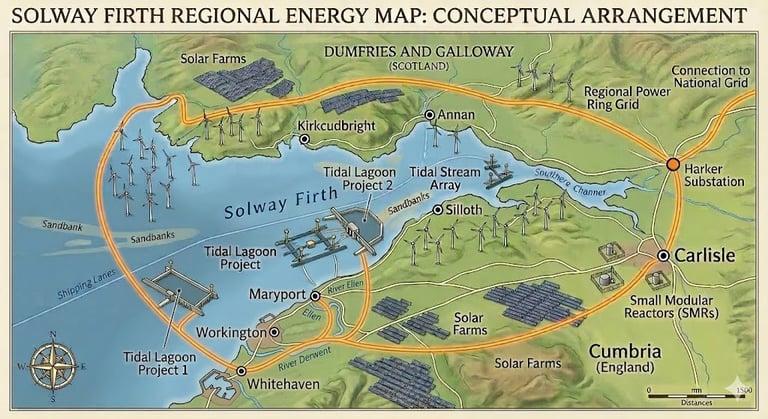
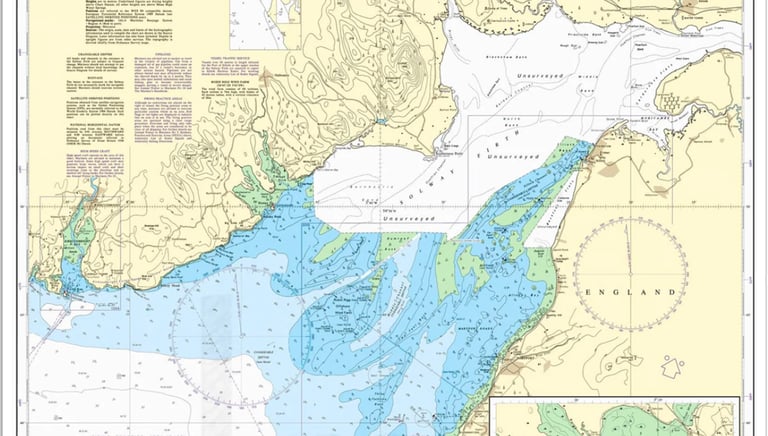
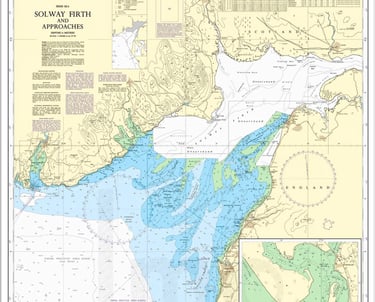
We have amazing natural resources
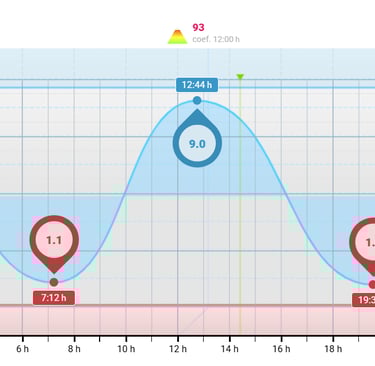
up to 9m+ tides, yes that's right. Big tides, every day
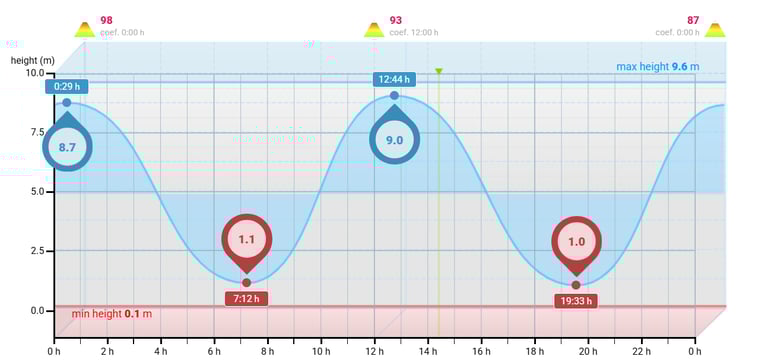
Why this concept will work:
•Local generation + local consumption = lower energy costs
•Avoids national grid charges for unused infrastructure, uses an OFTO‑style model enables private financing of the ring
•Surplus power exported south via Harker for extra revenue
Revenue Streams
•Use‑of‑system charges from industrial customers, Export of surplus low‑carbon power, Ancillary services to the national grid
•Long‑term industrial tenancy and land value uplift
•Programme Delivery Four coordinated workstreams:
•Technical — routing, substations, modelling
•Master-planning — zoning, anchor loads, land strategy
•Commercial — contracts, generation migration, regulatory pathways
•Financial — cost model, revenue model, business case
Outcome: A resilient, low‑carbon, low‑cost energy ecosystem that unlocks a new industrial economy for the Solway region.
TECHNICAL CONCEPT
Introducing the Solway Power Ring (132–220 kV)
A meshed, bidirectional electrical backbone connecting: Carlisle → Gretna/Annan → Dumfries → Kirkcudbright → Wigtown Bay → Silloth → Workington → Carlisle.
Local Generation Integrated into the Ring
•SMRs near Carlisle/Whitehaven — baseload, grid‑forming stability
•Tidal arrays — predictable, schedulable output
•Wind clusters — coastal and upland
•Solar parks — brownfield and ex‑military land
Major Demand Nodes
• 10 data centres (dual‑fed, flexible compute), Scrap metal plants (interruptible, high‑load), Desalination plant (flexible load),
• Factories, logistics hubs, industrial estates
System Characteristics
• Local balancing before export, N‑1 resilience, Central control centre for dispatch, curtailment, and demand response
MAIN BENEFITS
Economic & Industrial Growth for North West England & South Western Scotland
•Attract Tier 1 anchor industries: data centres, aluminium, hydrogen, battery plants, composites
•Stimulate Tier 2 & 3 supply chains across engineering, logistics, and services
•Re‑shore advanced manufacturing currently outsourced abroad
•Job Creation: 5 years: 4,500–9,000 jobs, 20 years: 12,000–24,000 jobs
•Financial Return: Investment: £1.5–£2.5B, GVA return: £6–£17.5B over 20 years
•Fiscal return: £2–£4B, Payback: 7–10 years [numbers are indicative]
•Regional Impact
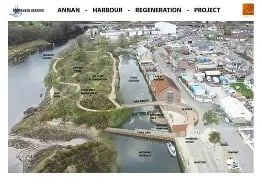
•Re‑energises Dumfries, Annan, Wigton, Workington, Silloth, Maryport, Carlisle
•Supports local colleges and universities
•Creates a long‑term skills and training pipeline
Overview: We can create a cross‑border clean‑energy enterprise zone across Cumbria and Dumfries & Galloway, powered by a shared high‑voltage electrical ring integrating SMRs, tidal, wind, and solar.
•Core Idea Use local power locally, avoid national grid overheads, and export surplus via Harker — enabling a new industrial cluster with predictable, low‑carbon, low‑cost energy. Green and predictable, tidal power is a cornerstone of this concept.
•Strategic Positioning: •Builds on the Energy Coast, •Revitalises Carlisle–Dumfries–Workington corridor, •Creates a UK‑leading clean‑energy industrial hub
Next Steps: Funding for formal vision/concept feasibility study to verify concept, data and potential. Integrate the new vision with existing programs. Obtain wider support. Select preferred tidal options.
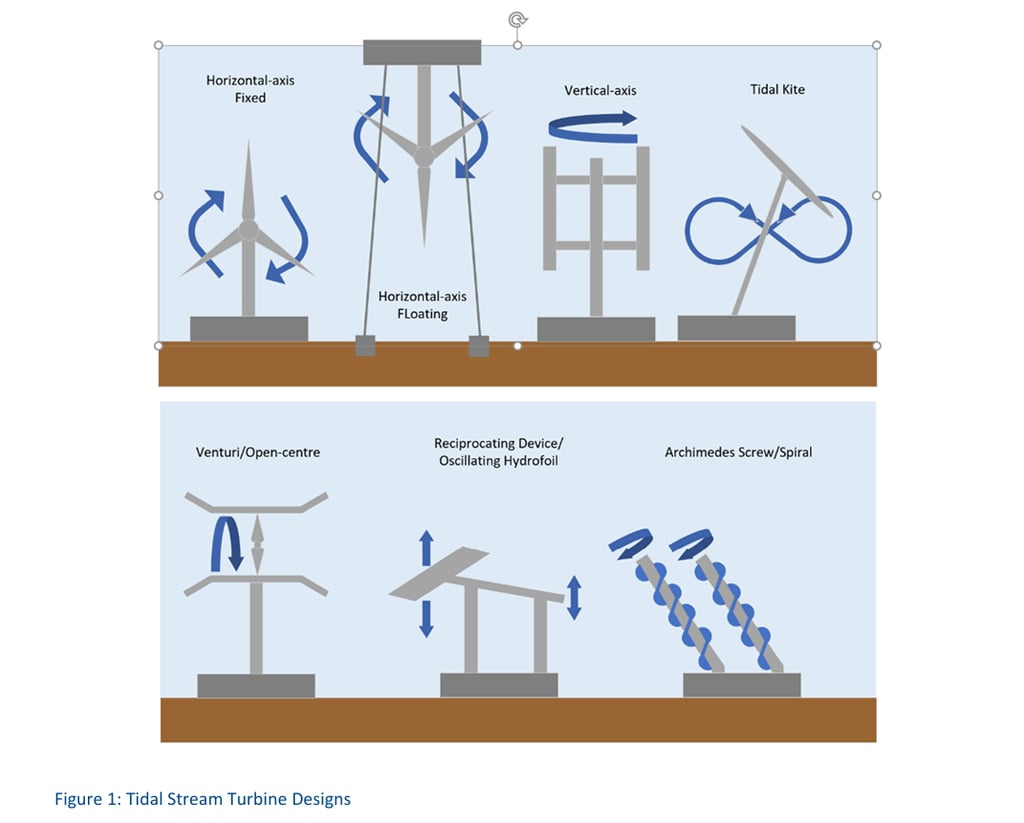
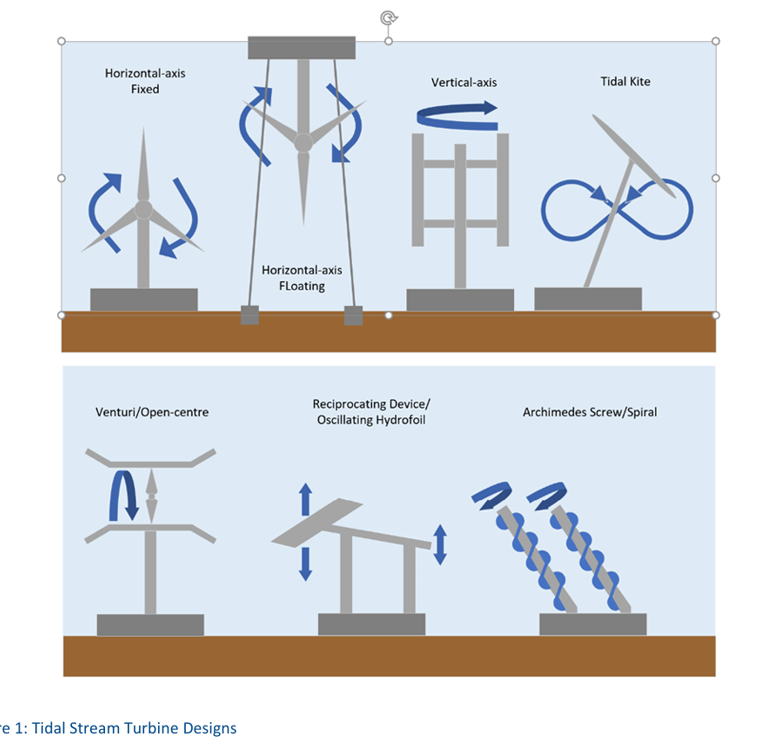
We support Hybrid solutions. Why? Hybrid Offshore Platforms (Wave + Tidal + Wind/Solar). Researchers have demonstrated that combining wave, tidal, and wind devices on shared offshore platforms can increase power generation by up to 70% and reduce construction costs.
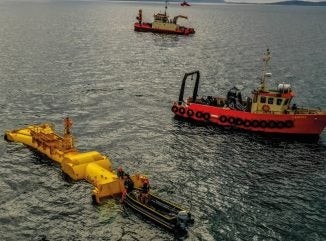
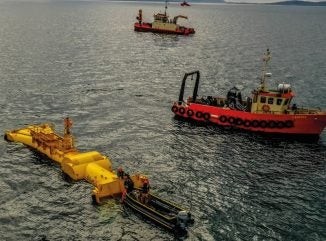
With world-leading technology and untapped marine potential, the UK is at the forefront of wave and tidal energy innovation. The Marine Energy Council is driving efforts to harness this clean, predictable power, helping secure the UK’s position as a global clean energy superpower. [Right is Deployment of Mocean Energy’s Blue X wave energy converter]
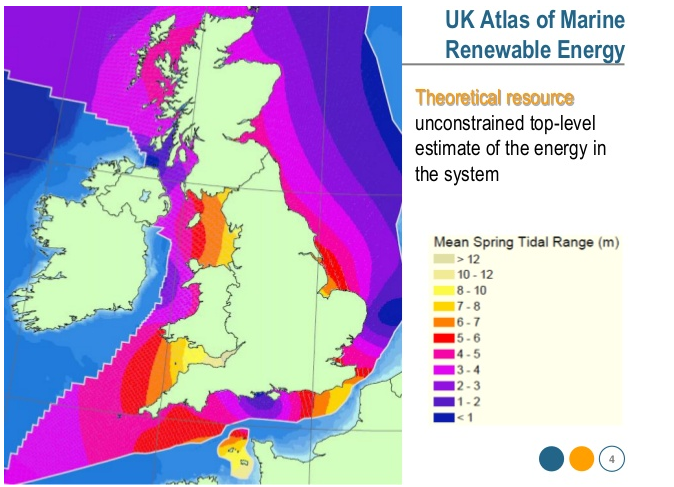
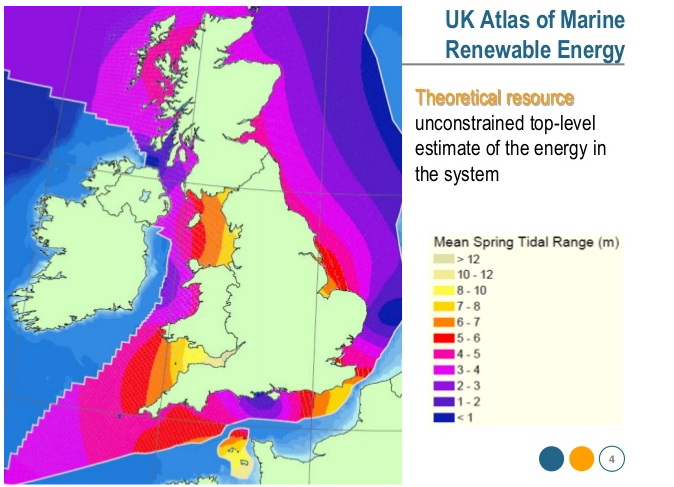
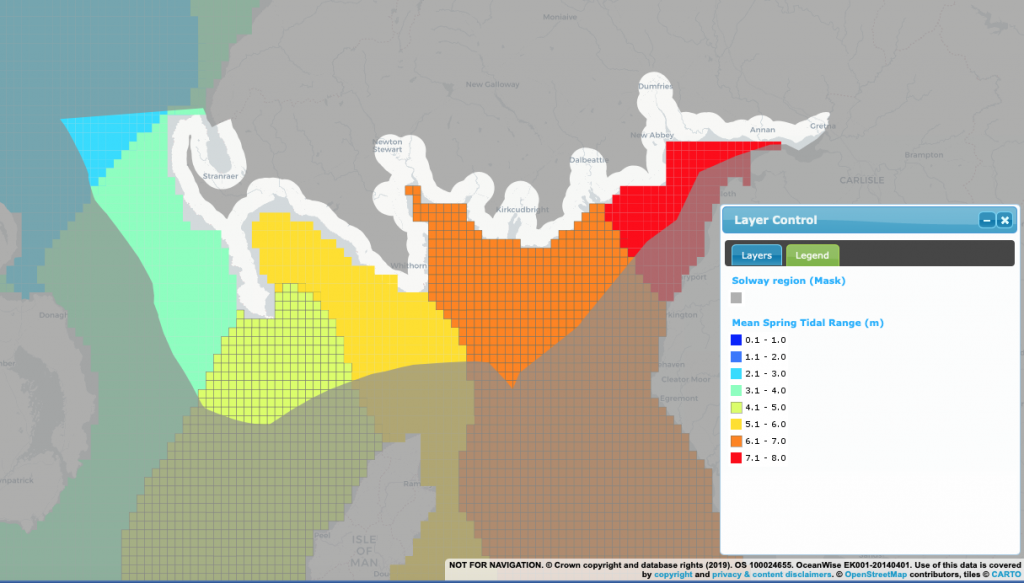
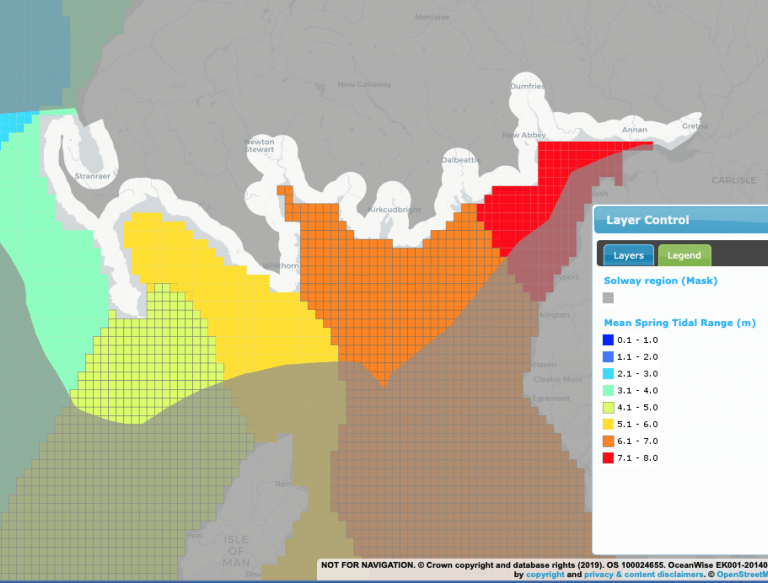
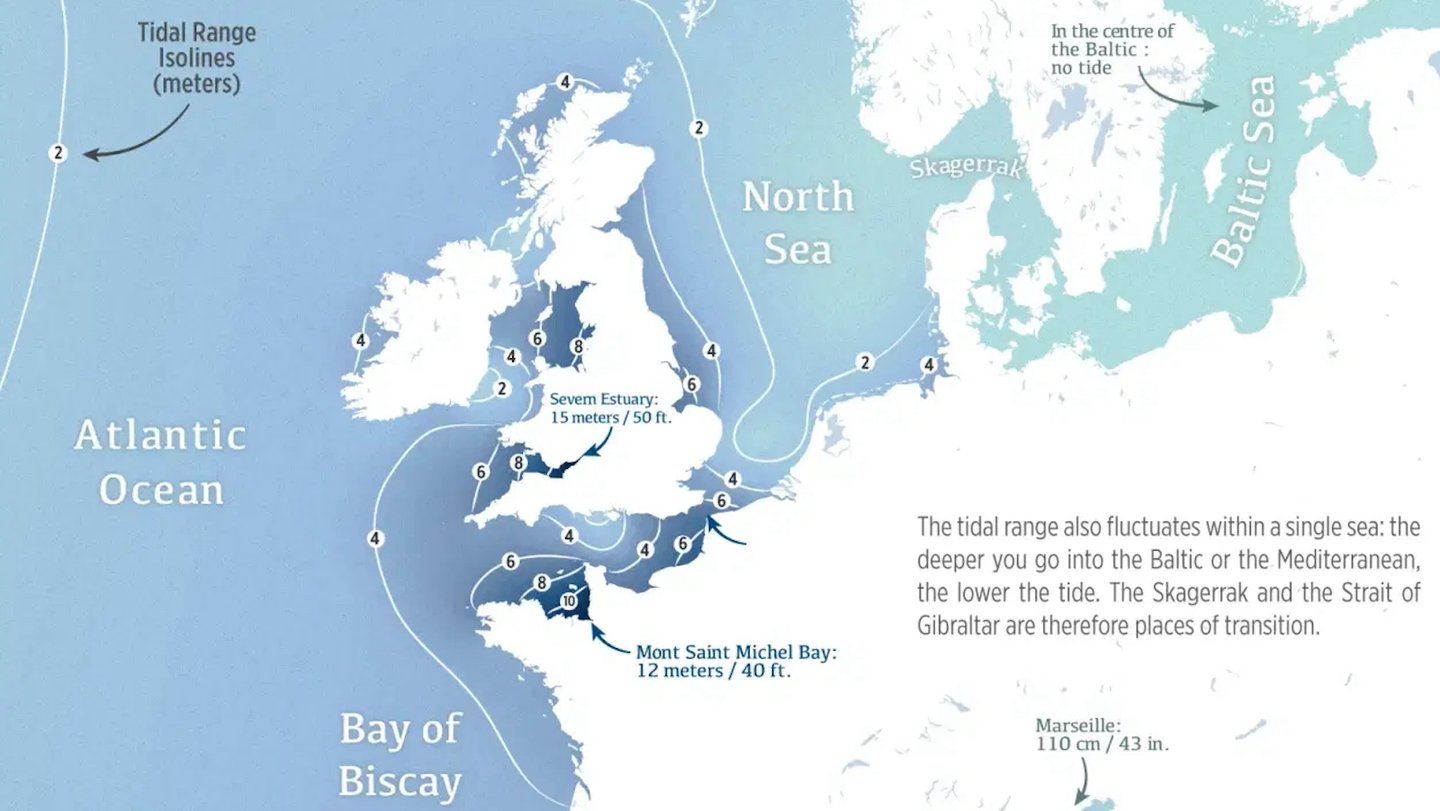
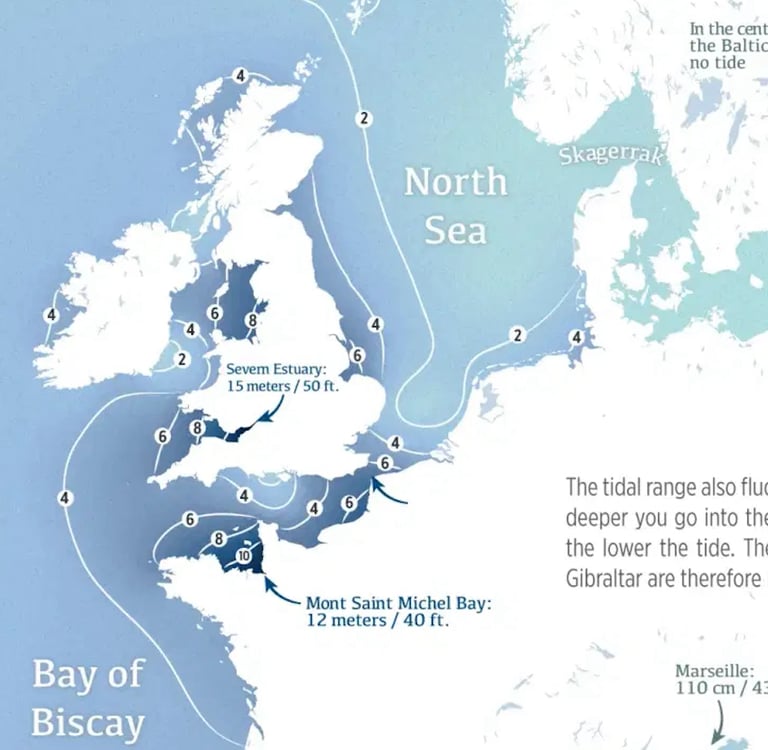
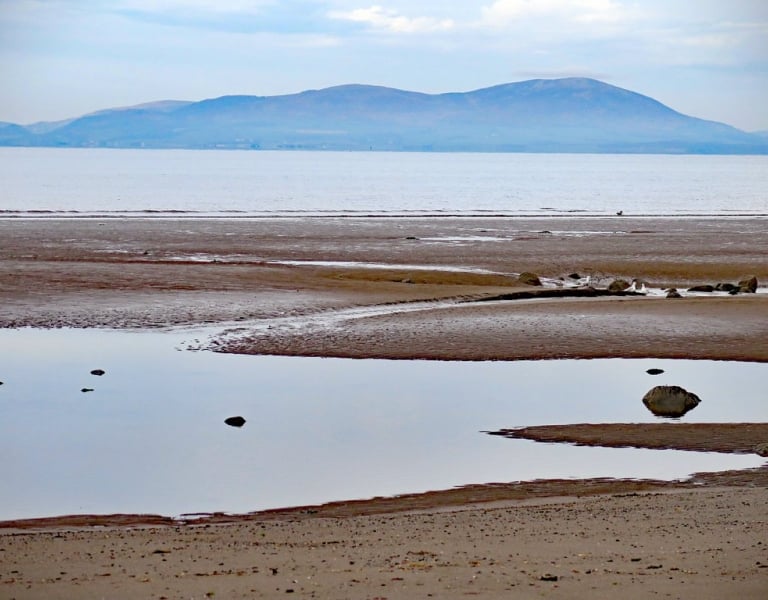
Why Solway? The Solway Firth has one of the highest tidal ranges in the UK, with its inner estuary experiencing mean spring tidal ranges of 7–8 meters, making it second only to the Severn Estuary.
The Solway Firth is classified as macrotidal, meaning it has a tidal range exceeding 4 meters. Specifically, the inner Solway Firth experiences the highest tidal ranges within the UK, with mean spring tidal ranges between 7 and 8 meters. Local variations occur along the estuary:
Silloth (Cumbrian coast): Spring tides ~8.4 m
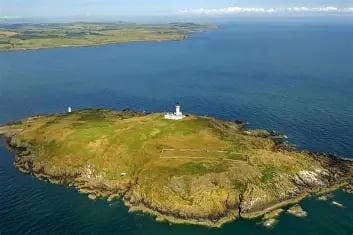
Hestan Islet (north coast): Spring tides ~7.4 m
Kirkcudbright: Spring tides ~6.7 m
Redkirk (head of estuary): Spring tides ~3.6 m
This variation is influenced by the funnel shape of the inner estuary, which amplifies tidal ranges in the central zone while upstream and at the outer estuary the range is slightly reduced
solwayfirthpartnership.co.uk+2
.
What Next ? - We recommend Solway is developed initially as a hybrid tidal energy incubator, so we can get the best of the best.
We can test new technologies. Study hybrid arrangements of tidal, kinetic, solar, wind and wave, and see what works best and where in the Solway. This is a great chance to include local engineering firms to determine which solutions can be manufactured locally.
Then we can select the optimum solution, most environmentally friendly and least cost per MW produced solution, and plug it into the overall scheme. It will still be quickeer than SMR's.
The vision is to follow PDMA guildines and manage a funnel of tidal and related kinetic soltions through three stage gates, until we have identified three or four finalists and we can see what works best inshore [Silloth to Southness], and offshore [Workinton/St Bees to Kirkudbright], and thereby obtain real data and good cost certainty on total project and lifecycle costs, including maintenance, operations and transmission requirements.
So yes, let's do a selection based on best fit to Scottish and English estuary criteria specific to the Solway, and run a bake-off.
.

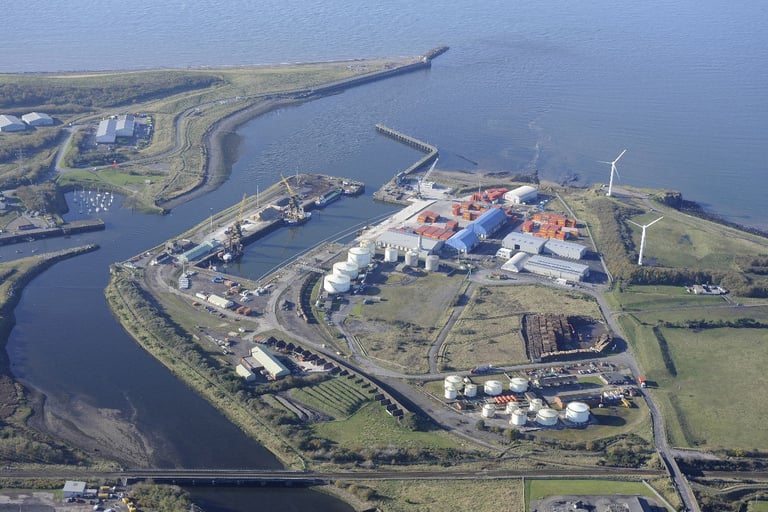
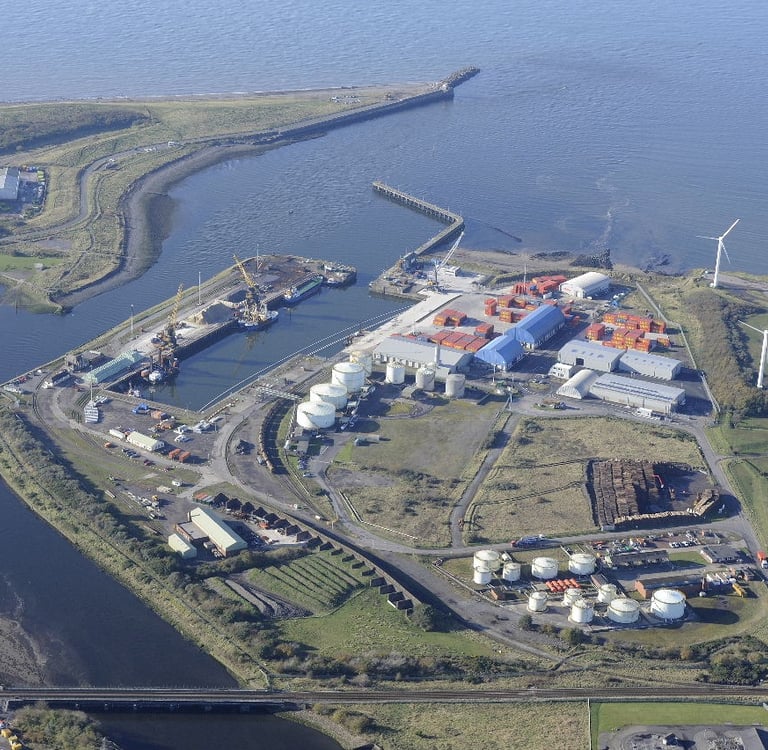
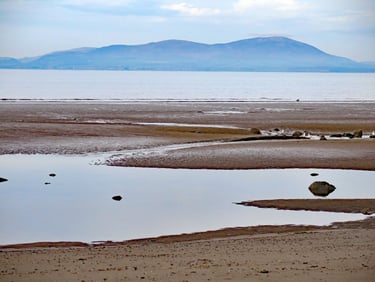
Press for more information
Transforming CAD into stunning 3D visualizations.
WE HAVE Expertise
WE WANT TO KEEP YOU SAFE, SECURE and STREAMLINED. let us be your CQA
peter@pmopmc.digital
+44 (0)734 132 0575
© 2026. All rights reserved.


About us: PMO PMC Digital is founded by Peter Dallaway. He is a Transportation Systems and MSI expert who has worked on many ground-breaking projects in the UK, US, Italy, UAE, Qatar, Singapore, Hong Kong and Saudi Arabia. He has worked for SITA, NCR, AECOM and JASARA, usually in a PMO, PMC caoacity. He is an accomplished systems designer and a previous VP and Senior Director covering IT and Campus Product technical marketing and business case development. It is allabout the customer and the money at the end of the day. Our job is to improve the quality of your customers' experiencee.
He has pioneered many new approaches, including the early development of disruptive technologies such as self-service, self tagging and remote desktop support. He was selling and supporting cloud services from IBM 3270 and Unisys data centers using AX25 and SDLC before it was even called the cloud.
Peter has a Masters in Computer Security, a BA Hons in Geography and a PMP for project management. He also studied an MSC in Management Studies at Loughborough University of Technology.
OUR VISION
To be the most trusted partner for organizations building intelligent infrastructure, empowering them to achieve resilient, high-performing outcomes through exemplary leadership, integrated systems, and uncompromising excellence.
OUR MISSION
Our mission is you Your dreams are our reality. Your imagination is our friend. PMOPMC Digital Ltd delivers strategic consultancy and technology integration that transforms programme management, asset intelligence, and operational excellence into tangible benefits generating real business value.
We specialize in helping you design and develop smart infrastructure, using AI-driven solutions for digital PMOs across aviation, maritime, rail, and urban development sectors, ensuring governance, interoperability, and sustainable performance. And we want you to have some fun. Plus we'll audit your consultants for you. That'll get their attention !!